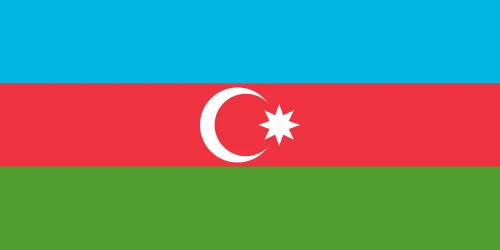
 Azerbaijan
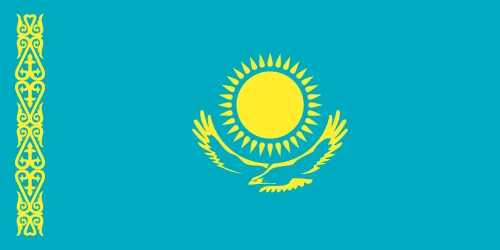 Kazakhstan
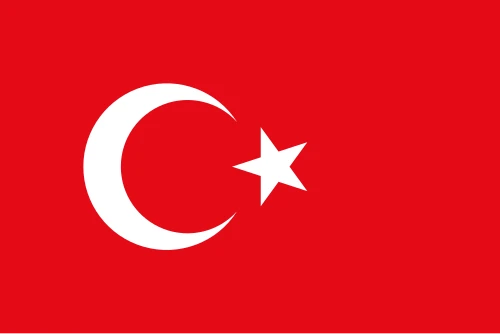 Türkiye
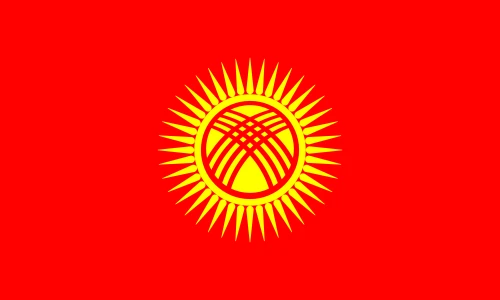 Kyrgyzstan
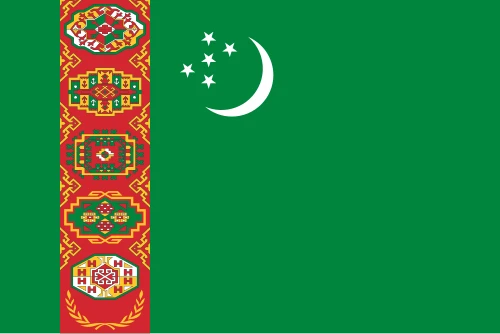 Turkmenistan
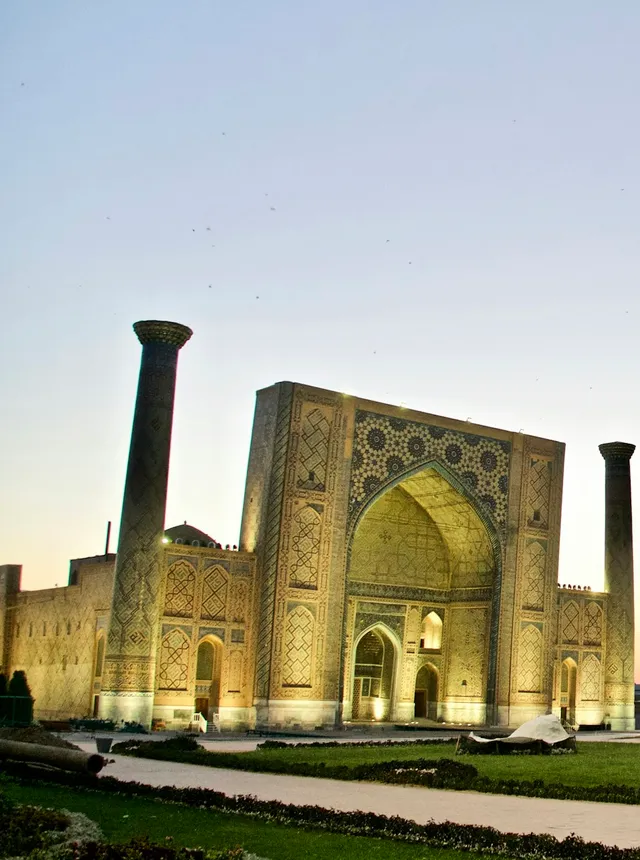
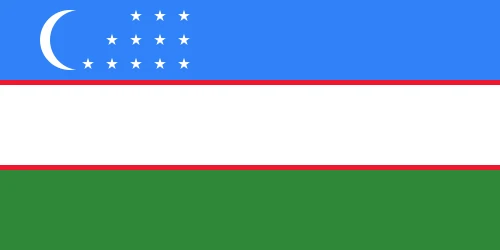 Uzbekistan
 Northern Cyprus (TRNC)
 Hungary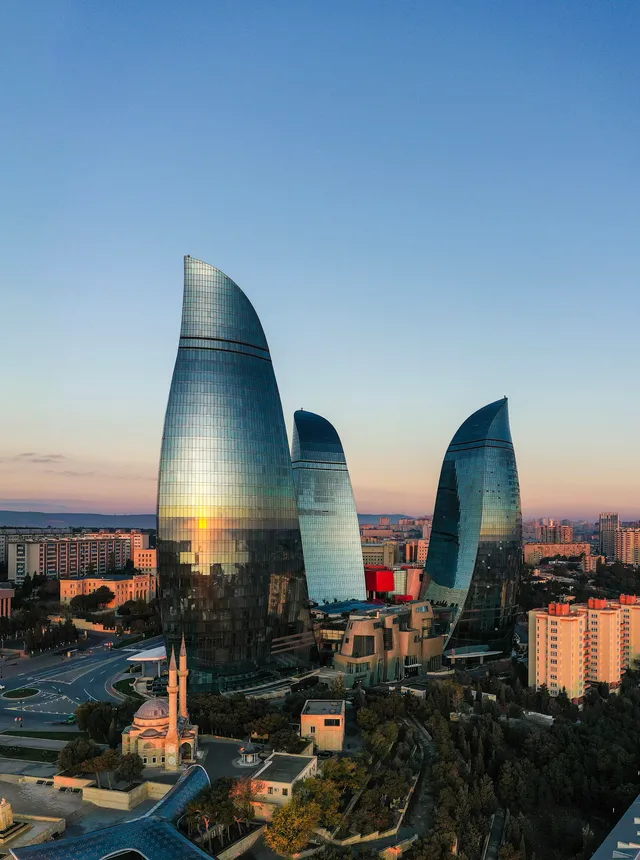






ASportIndependent states
Judo
The Japanese martial art whose name means "the gentle way" — Azerbaijan, Kazakhstan and Uzbekistan have all produced Olympic judo champions.

In judo athletes grip each other's jacket and try to throw the opponent onto his back, hold him down on the mat, or force a submission with a choke or arm lock. The highest score, ippon, ends the contest at once.
History
Judo was created in 1882 by the Japanese educator Jigoro Kano from older jujutsu schools; he founded the Kodokan in Tokyo. The International Judo Federation (IJF) was established in 1951. Judo made its Olympic debut at Tokyo 1964, and women's judo has been on the programme since 1992.
Major competitions
The Olympic Games, the World Championships, the European and Asian Championships and the IJF Grand Slam and Grand Prix events. Baku (2018), Astana (2015), Budapest (2017, 2021) and Tashkent (2022) have hosted the World Championships, and the Baku Grand Slam is held every year.
Judo in the Turkic world
Elnur Mammadli won Azerbaijan's first Olympic judo gold in Beijing in 2008. At Paris 2024 Azerbaijan's Hidayat Heydarov and Zelim Kotsoev, Kazakhstan's Yeldos Smetov and Uzbekistan's Diyora Keldiyorova all became Olympic champions. Hungary's Antal Kovács had won gold in Barcelona in 1992.
Uzbekistan's Rishod Sobirov, with three Olympic bronzes and world titles, became a symbol of his country's judo. Azerbaijan's Ilham Zakiyev is a two-time Paralympic champion in visually impaired judo.
Famous Turkic judoka
Elnur Mammadli, Hidayat Heydarov, Zelim Kotsoev, Rustam Orujov, Ilham Zakiyev, Yeldos Smetov, Diyora Keldiyorova, Rishod Sobirov and Antal Kovács.
Sources
Updated: October 11, 2026