 Azerbaijan
 Kazakhstan
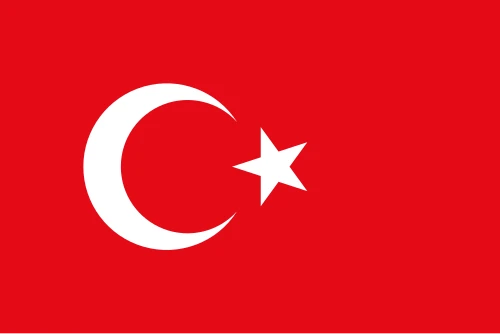 Türkiye
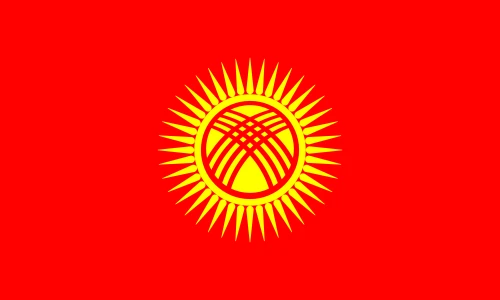 Kyrgyzstan
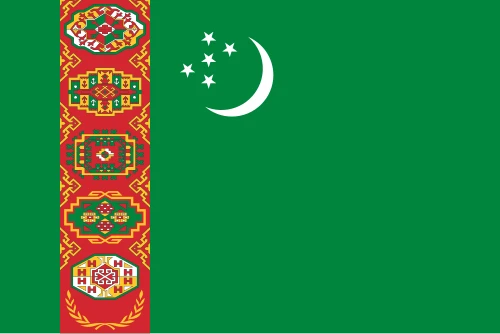 Turkmenistan
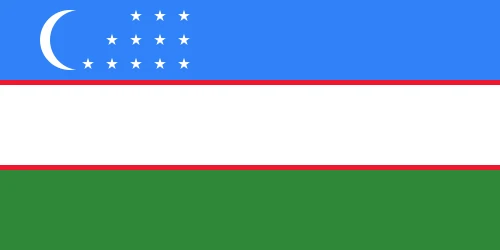 Uzbekistan
 Northern Cyprus (TRNC)
 Hungary






AHistoryIndependent states
The Ghaznavid State (963–1186)
A Turkic state stretching from Afghanistan to India, which under Sultan Mahmud became a centre of learning and poetry.

In 963 Alp Tegin, a Turkic commander of the Samanids, set up an independent government in Ghazni (in today's Afghanistan). The state's real founder was Sebuk Tegin, and its most famous ruler was his son Mahmud of Ghazni (998–1030), considered one of the first rulers to bear the title "sultan".
Mahmud led seventeen campaigns into India and extended the state from Khorasan to the Punjab. His court gathered the great scholars and poets of the age: al-Biruni wrote his famous book on India there, and Ferdowsi presented the "Shahnameh" to Sultan Mahmud.
Defeated by the Seljuks at Dandanaqan in 1040, the Ghaznavids lost Khorasan, and their rule shrank to Afghanistan and northern India. The state ended in 1186 when the Ghurids took Lahore. The Ghaznavids marked the arrival of the Turks in India and the beginning of the Turco-Islamic culture that grew there.
Sources
Updated: October 11, 2026