 Azerbaijan
 Kazakhstan
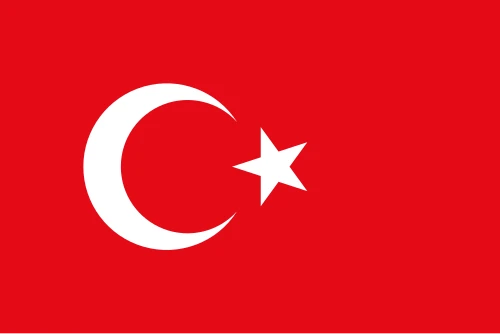 Türkiye
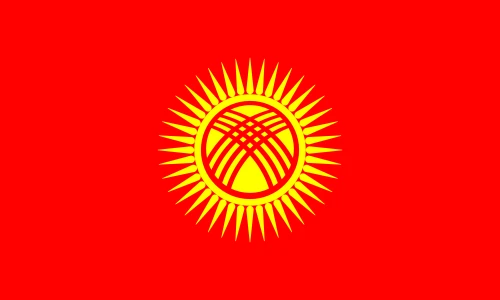 Kyrgyzstan
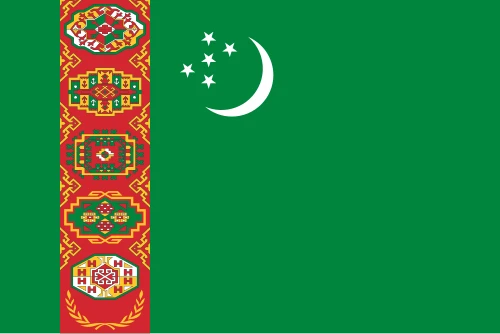 Turkmenistan
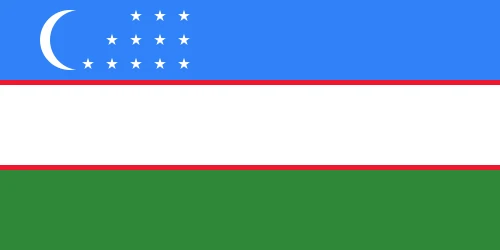 Uzbekistan
 Northern Cyprus (TRNC)
 Hungary






AHistoryIndependent states
The Göktürk Khaganate (552–744)
The first state to bear the name "Türk": the steppe empire founded by Bumin Khagan in 552, stretching from Manchuria to the Black Sea.

In 552 Bumin Khagan of the Ashina clan defeated the Rouran (Avar) Khaganate and founded a new state. Its name — Türk — later became the common name of all Turkic peoples. Its political heart was the Ötüken highland and the Orkhon valley in today's Mongolia.
Bumin's brother Istemi Yabgu ruled the western wing; under him the Göktürk frontier reached the Caspian and the Black Sea, and envoys were exchanged with Byzantium and Sasanian Iran. A large part of the Great Silk Road was under the khaganate's control.
In the early 7th century the state split into Eastern and Western khaganates, both of which fell under the sway of Tang China. In 682 Ilterish (Kutlug) Khagan, together with Tonyukuk, restored independence; the Second Göktürk Khaganate reached its height under Bilge Khagan and Kül Tigin.
In 744 an alliance of the Uyghurs, Basmyls and Karluks brought the khaganate to an end. Its greatest legacy is the Orkhon-Yenisei inscriptions, written in the Göktürks' own alphabet — the earliest written records of a Turkic language.
Sources
Updated: October 11, 2026