 Azerbaijan
 Kazakhstan
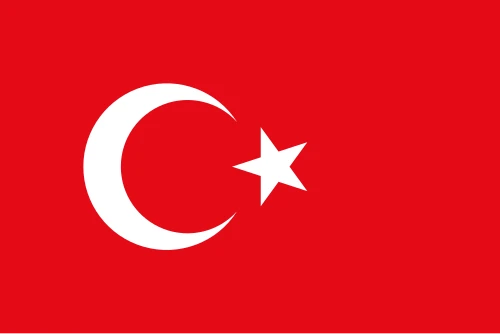 Türkiye
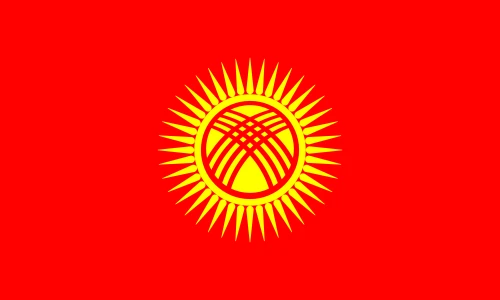 Kyrgyzstan
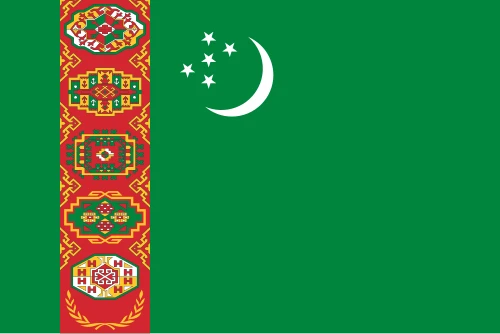 Turkmenistan
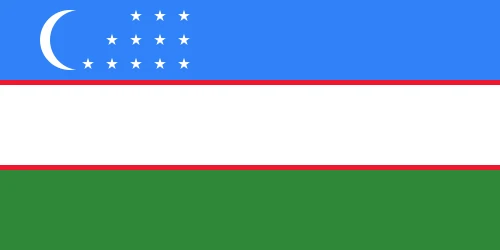 Uzbekistan
 Northern Cyprus (TRNC)
 Hungary






AHistoryIndependent states
The Orkhon-Yenisei inscriptions
Göktürk texts carved in stone in the 8th century — the first great written monuments of the Turkic language, the "stone book" of the Turks.

The Kül Tigin (732) and Bilge Khagan (735) monuments raised in the Orkhon valley in Mongolia, together with the Tonyukuk inscription, are written in the Old Turkic alphabet, often called "runic". Similar inscriptions have been found in the Yenisei basin, the Altai and Talas.
The monuments were found in 1889 by the Russian explorer Nikolai Yadrintsev. In 1893 the Danish scholar Vilhelm Thomsen deciphered the script — the first word he read was "Tengri" (God, Heaven) — and Wilhelm Radloff soon published the first translation.
Written in the voice of Bilge Khagan, the texts speak directly to the people: the khagan calls the Turkic clans to unity, to stay in Ötüken and never forget the lessons of the past. They were composed by the khagan's nephew Yollug Tigin.
The Orkhon Valley Cultural Landscape has been a UNESCO World Heritage Site since 2004.
Sources
Updated: October 11, 2026