 Azerbaijan
 Kazakhstan
 Türkiye
 Kyrgyzstan
 Turkmenistan
 Uzbekistan
 Northern Cyprus (TRNC)
 Hungary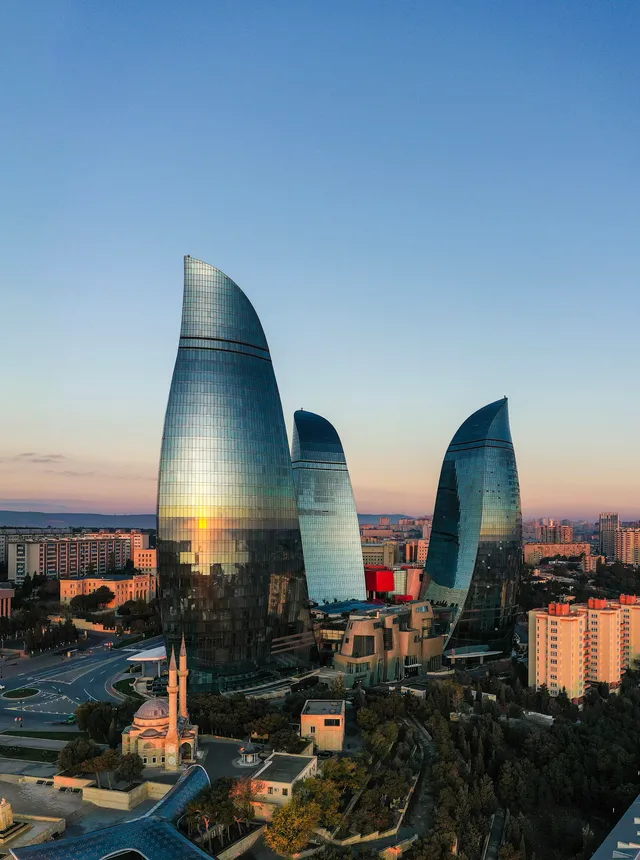





ASportIndependent states
Fencing
Combat with foil, épée and sabre — Hungarian fencers built the greatest dynasty in Olympic history.

In fencing two athletes fight on a 14-metre piste with one of three weapons: the foil (touches with the point to the torso only), the épée (touches with the point anywhere on the body) and the sabre (cuts and thrusts above the waist). Touches are recorded electronically.
History
Sport fencing grew out of the sword schools of the Middle Ages and the Renaissance. The International Fencing Federation (FIE) was founded in Paris in 1913. Fencing is one of only five sports held at every modern Olympics since 1896; women have competed since 1924.
Major competitions
The Olympic Games, the World Championships, the European and Asian Championships and the FIE World Cup circuit. Antalya hosted the 2009 World Championships and Baku the fencing events of the 2015 European Games.
Fencing in the Turkic world
Hungary is the historic leader of fencing, above all in the sabre: the Hungarian men's sabre team won seven consecutive Olympic titles from 1928 to 1960. Aladár Gerevich won seven gold medals across six Olympic Games, and Áron Szilágyi was the first fencer to win three consecutive individual sabre titles, in 2012, 2016 and 2020. Hungary's men's épée team won gold at Paris 2024.
Fencing schools are developing in Kazakhstan, Uzbekistan, Türkiye and Azerbaijan, whose athletes win medals at Asian and European championships.
Famous Turkic fencers
Aladár Gerevich, Rudolf Kárpáti, Pál Kovács, Áron Szilágyi, Győző Kulcsár and Ildikó Újlaky-Rejtő.
Sources
Updated: October 11, 2026