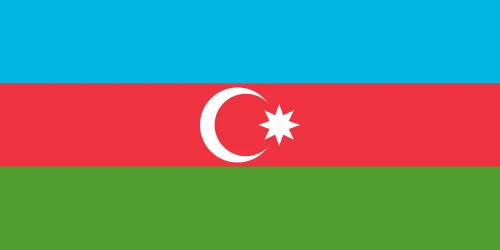
 Azerbaijan
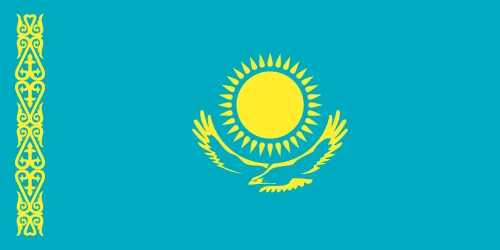 Kazakhstan
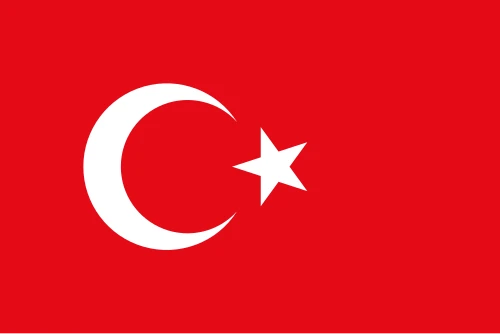 Türkiye
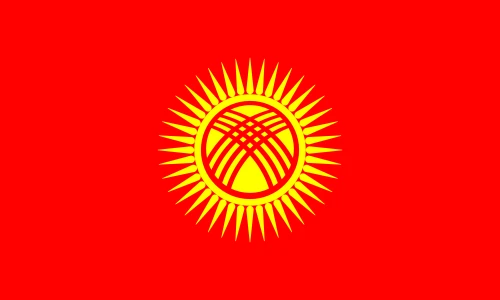 Kyrgyzstan
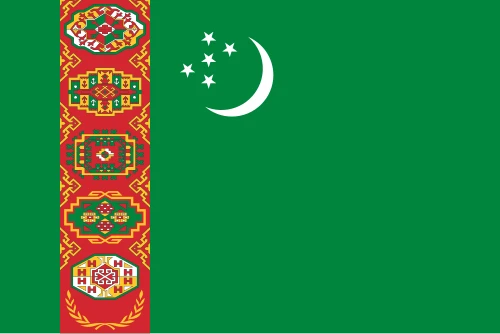 Turkmenistan
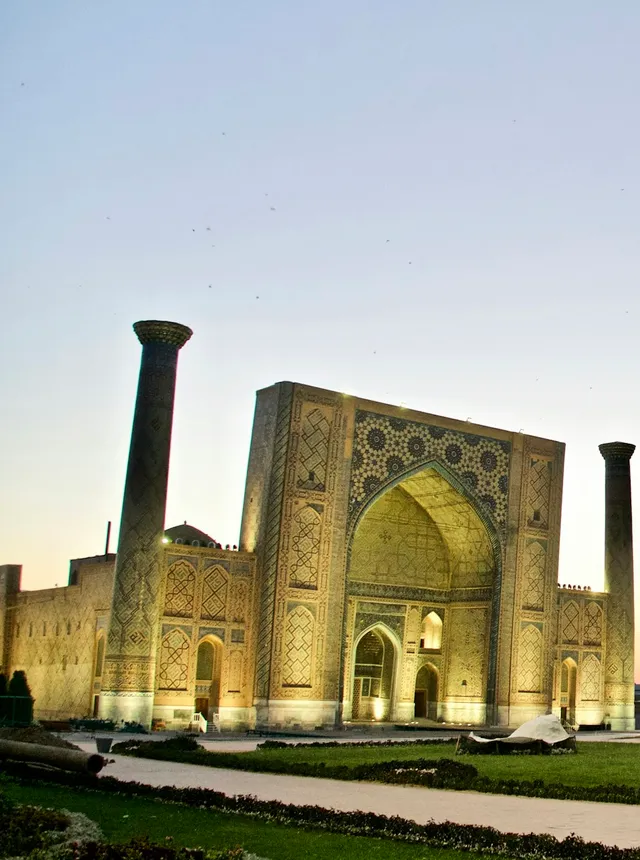
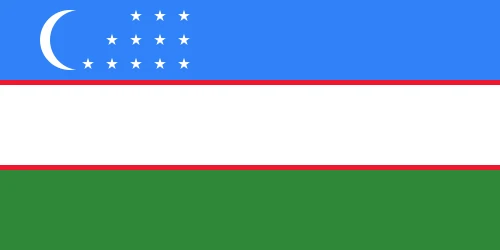 Uzbekistan
 Northern Cyprus (TRNC)
 Hungary






AHistoryIndependent states
The age of independence: modern Turkic states (1918 – today)
From the Azerbaijan Democratic Republic to the Organization of Turkic States — the Turkic world's road to independence in the 20th and 21st centuries.

On 28 May 1918 the Azerbaijan Democratic Republic was proclaimed in Tiflis — the first democratic republic of the Muslim East. In the same years the Alash Orda arose in the Kazakh steppe, along with autonomy movements in Turkestan. After the First World War Anatolia fought its War of Independence under Mustafa Kemal, and on 29 October 1923 the Republic of Türkiye was founded.
For most of the 20th century the majority of Turkic peoples lived within the Soviet Union. As the USSR collapsed in 1991, five Turkic republics declared independence: Uzbekistan and Kyrgyzstan (31 August), Azerbaijan (18 October — the restoration of independence), Turkmenistan (27 October) and Kazakhstan (16 December). On 15 November 1983 the Turkish Cypriots had proclaimed the Turkish Republic of Northern Cyprus.
The independent Turkic states soon drew closer: summits have been held since 1992, the Nakhchivan Agreement of 2009 created the Cooperation Council of Turkic-Speaking States, and at the 2021 Istanbul summit it was renamed the Organization of Turkic States. Today it has five members — Azerbaijan, Kazakhstan, Kyrgyzstan, Uzbekistan and Türkiye — and three observers: Hungary, Turkmenistan and Northern Cyprus.
Sources
Updated: October 11, 2026