 Azerbaijan
 Kazakhstan
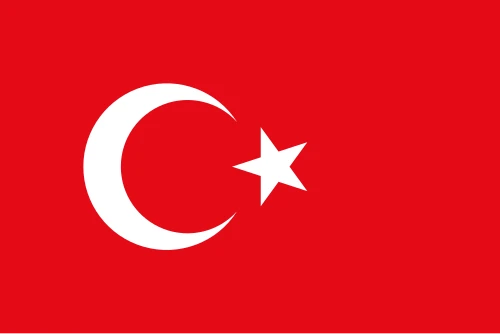 Türkiye
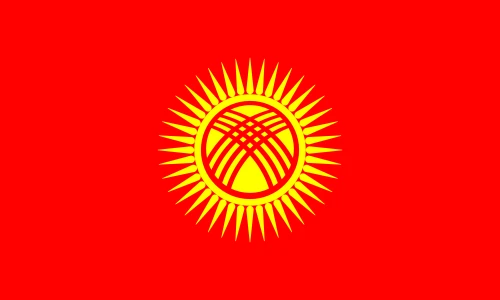 Kyrgyzstan
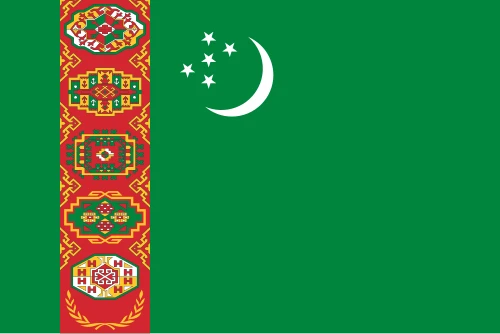 Turkmenistan
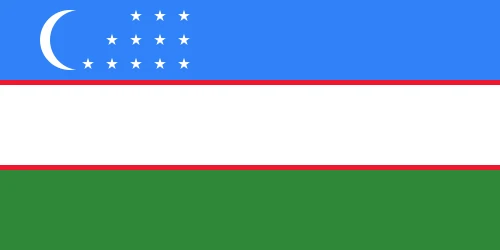 Uzbekistan
 Northern Cyprus (TRNC)
 Hungary






AHistoryIndependent states
The Uyghur Khaganate (744–840)
Heir to the Göktürks: a khaganate that built cities, developed its own script and carried Turkic culture from nomadic to settled life.

In 744 the Uyghur, Basmyl and Karluk tribes ended the Second Göktürk Khaganate, and Kutlug Bilge Kül Khagan proclaimed the Uyghur Khaganate. Its centre was again the Orkhon valley, where the capital Ordu-Baliq (Karabalgasun) was built — one of the first great Turkic cities founded in the steppe.
The Uyghurs helped Tang China put down an internal rebellion and in return drew great wealth from Silk Road trade. In 762 Bögü Khagan adopted Manichaeism as the state religion. The Uyghur script, developed from the Sogdian alphabet, was used for centuries and later became the basis of the Mongol and Manchu scripts.
In 840 the Yenisei Kyrgyz took Ordu-Baliq and the khaganate collapsed. The Uyghurs moved south and west and founded the Ganzhou and Turfan (Qocho) Uyghur kingdoms, which became brilliant centres of Buddhist and Manichaean art and book culture.
Sources
Updated: October 11, 2026