AStateIndependent states
Turkmenistan
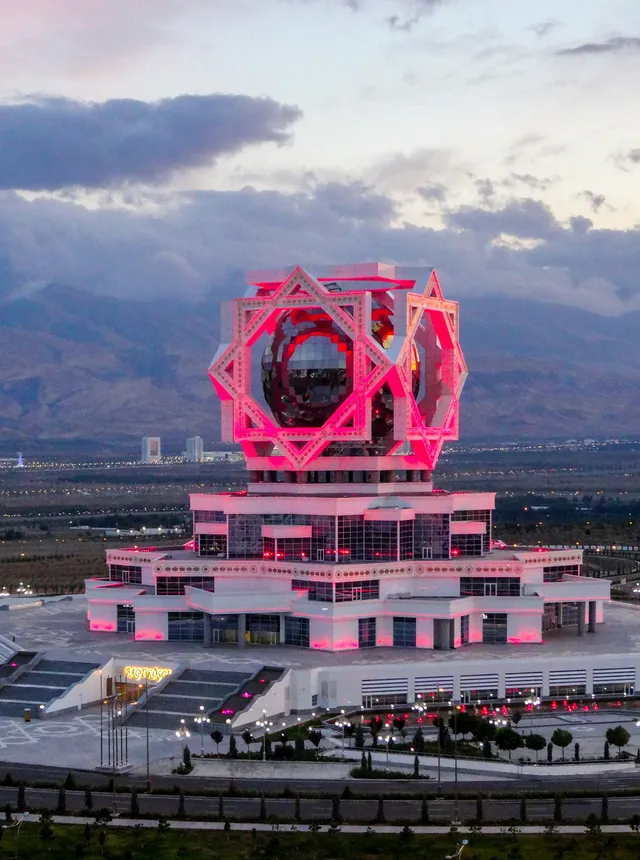
A Turkic state stretching from the Caspian Sea to the Amu Darya, mostly covered by the Karakum desert. Independent since 1991 and permanently neutral since 1995, it has more than 7 million people; its capital is Ashgabat.
Turkmenistan covers 491,120 square kilometres. Its longest border is with the Caspian Sea to the west; it also borders Iran and Afghanistan to the south and Kazakhstan and Uzbekistan to the north. The 2022 census counted 7,057,841 people. The capital is Ashgabat, the state language Turkmen and the currency the manat.
History
These lands saw the Bronze Age Margiana culture, the Parthian state and Merv, the great oasis city of the Silk Road, and became home to the Oghuz Turkmen tribes. In the 11th century the Seljuks won the Battle of Dandanaqan near Merv and founded the Great Seljuk state.
After the fall of the fortress of Geok Tepe in 1881 the region became part of the Russian Empire, and the Turkmen SSR was formed in 1924. Turkmenistan declared independence on 27 October 1991, and on 12 December 1995 the UN General Assembly recognised its permanent neutrality.
Geography
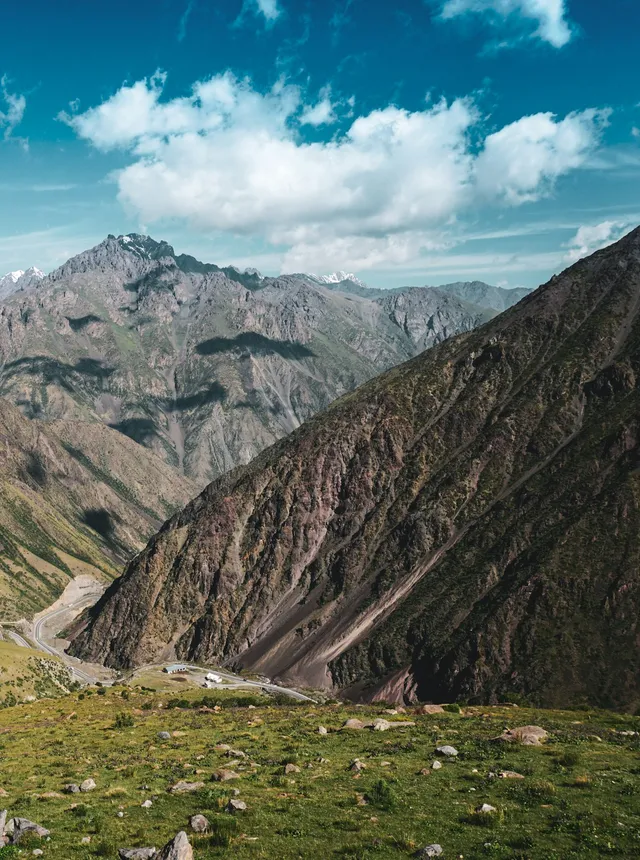
About 70% of the country is the Karakum desert. The Kopet Dag runs along the Iranian border in the south and the Köýtendag mountains in the east, where the highest point, Aýrybaba (3,138 m), stands. The Amu Darya and the Karakum Canal are the main sources of water.
Government and economy
Turkmenistan is a presidential republic and an observer of the Organization of Turkic States. It holds some of the world's largest natural gas reserves — the Galkynysh field in Mary Province is the second-largest gas field in the world — and is also known for cotton, carpets, silk and Akhal-Teke horses.
Sources
Updated: October 3, 2026