 Azerbaijan
 Kazakhstan
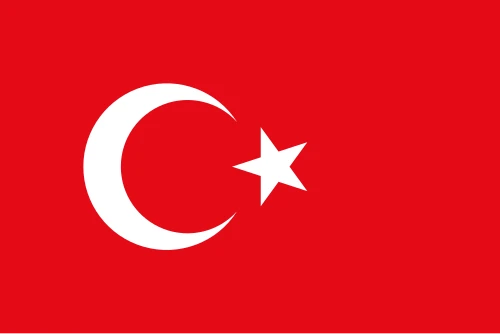 Türkiye
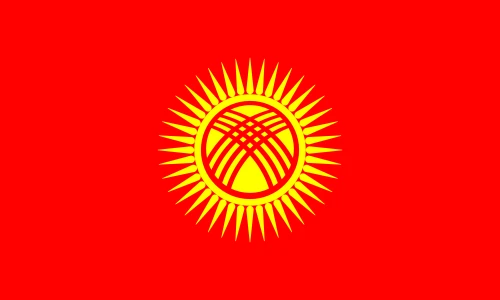 Kyrgyzstan
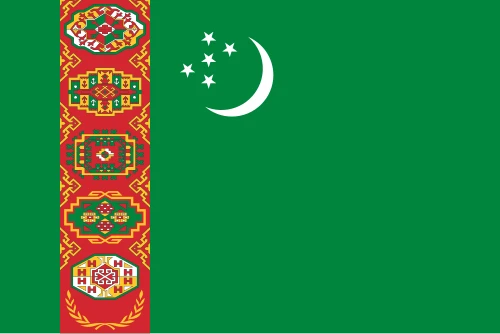 Turkmenistan
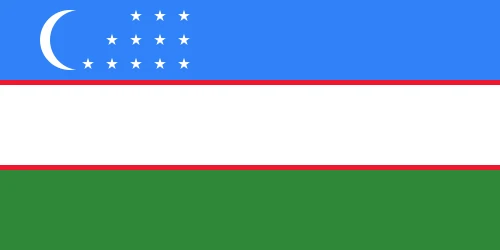 Uzbekistan
 Northern Cyprus (TRNC)
 Hungary






AHistoryIndependent states
The Golden Horde (1242–1502)
A great steppe state founded by a Mongol dynasty but Kipchak Turkic in language and people — forerunner of the Kazan, Crimean and Kazakh khanates.

After the campaigns of 1236–1242, Genghis Khan's grandson Batu founded the Ulus of Jochi on the Volga — the state later known as the Golden Horde. Its capital was Sarai on the Volga, and its lands stretched from the Irtysh to the Danube and from Khwarazm to the Russian principalities.
Although the ruling dynasty was Mongol, most of the population were Kipchak Turks, and the Mongols soon became Turkicised: the language of the state was Kipchak Turkic. Under Özbeg Khan, who took the throne in 1313, Islam became the state religion. The Codex Cumanicus, the most precious record of the Kipchak language, dates from this era.
In the 15th century the Golden Horde split into several khanates: Kazan, Crimea, Astrakhan, Sibir, the Nogai Horde and the Kazakh Khanate all arose from its legacy. In 1502 the last capital of the Great Horde was taken by the Crimean khan. The history of the Tatars, Bashkirs, Kazakhs and Nogais is closely tied to this state.
Sources
Updated: October 11, 2026