











The epic
The Book of Dede Korkut is the heroic epic of the Oghuz Turks. It consists of a prologue and twelve tales. The figure who links them is Dede Korkut, a wise bard: he names the young heroes, gives blessings and, at the end of every tale, plays the kopuz and recites the story.
The heroes include Salur Kazan, Bamsi Beyrek, Deli Domrul, Kanturali and Basat. Women are strong characters too: Burla Khatun, Banuchichek and Seljan Khatun ride horses, shoot arrows and fight beside their husbands. The language is Oghuz Turkic, so the epic is seen as a shared source of Azerbaijani and Turkish literature.
Manuscripts
The tales lived orally for centuries and were written down in the 15th-16th centuries. The fullest copy, with the prologue and all twelve tales, is kept in Dresden, Germany. The German orientalist Heinrich Friedrich von Diez published the tale of Basat and Tepegoz in German in 1815, which introduced the epic to Europe. A second copy, with six tales, is in the Vatican Library. A third copy, found in Gonbad in Iran, was presented to scholars in 2019.
Today
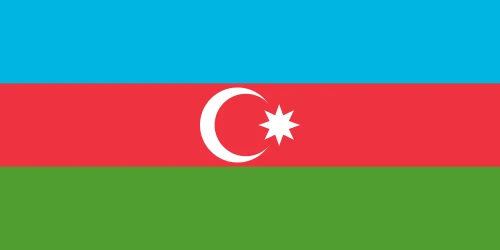
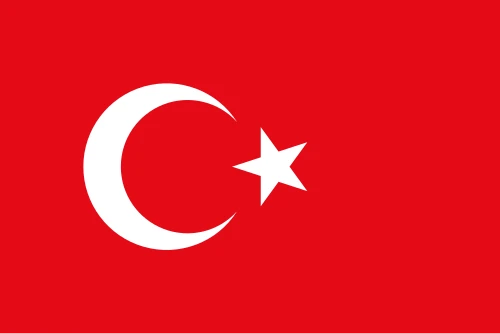
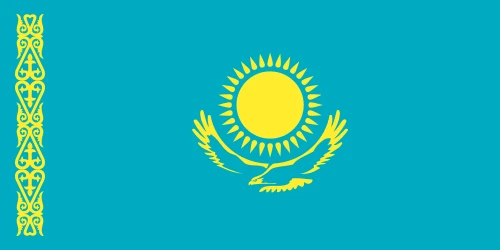
UNESCO marked the 1300th anniversary of the epic in 1999-2000. In 2018 the Heritage of Dede Korkut was added to UNESCO's list of the Intangible Cultural Heritage of Humanity on a joint nomination by Azerbaijan, Kazakhstan and Türkiye. A feature film, Dede Korkut, was made in 1975 from a script by Anar.